
Does Exterior Paint Color Affect Your Home’s Temperature?
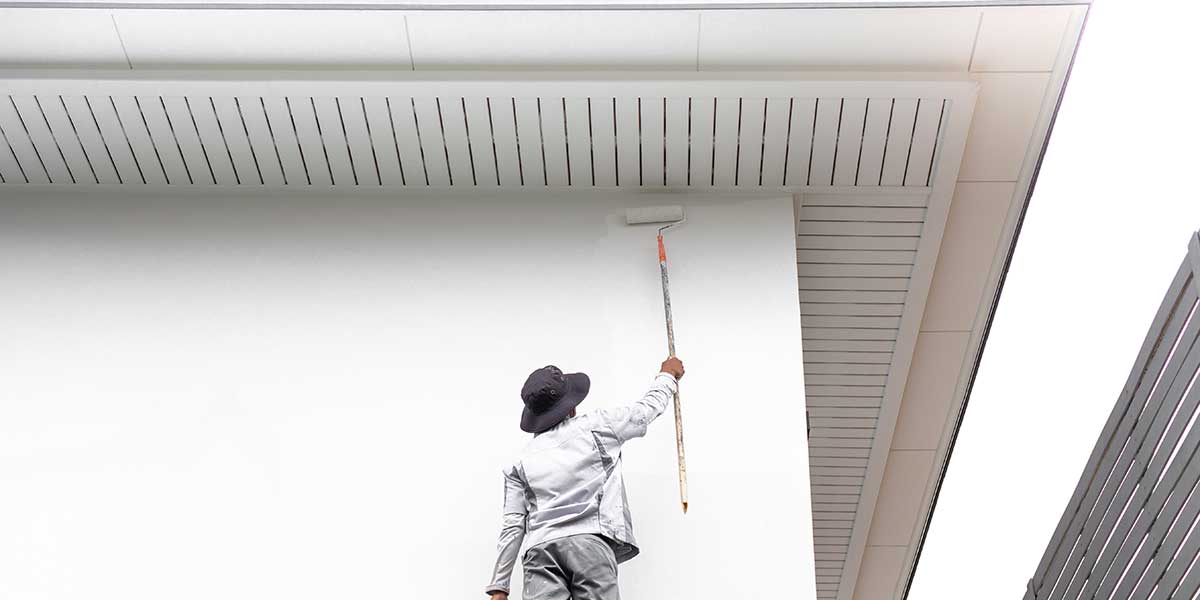
You know how cars with black interiors feel blazing hot on a summer’s day, and wearing black in the sunshine makes you sweat more? That’s heat absorption in action; dark colors pull in sunlight, and light colors reflect it. But does exterior paint color affect temperature inside your home in the same way?
Let’s see how the exterior paint color potentially affects your indoor spaces. Use your next coat of paint to your advantage by reading this post by RD Construction, LLC. You can also contact the team to schedule interior and exterior painting services in Colorado Springs, CO!
What’s the Science Behind Color and Heat Absorption?
Paint color influences how your home’s exterior handles sunlight by controlling both heat absorption and light reflection. Dark colors absorb more solar energy and raise surface temperatures, especially on south- or west-facing walls that receive direct sun throughout the day. Light-colored paint reflects more sunlight, which limits how much heat moves into your living space.
Low-reflectance paint causes your home exterior to heat up faster and hold that warmth longer, which forces the cooling system to run more often. Homes with little shade or poor insulation allow more of that exterior heat to pass through the walls and can also raise indoor temperatures. With high-reflectance colors, you may be able to reduce that workload by keeping surface temperatures lower and slowing down heat transfer.
Will Darker Exterior Paint Colors Really Make That Big of a Difference?
So, does exterior paint color affect temperature? Yes, black paint’s light reflectance value is close to zero, which holds most of the sunlight it receives. White paint, with a reflectance value above 85, will certainly keep surfaces cooler.
Darker paint can lower a home’s thermal performance by absorbing more solar energy and raising exterior wall temperatures. In summer, this could mean added heat pushes through siding and insulation, forcing cooling systems to work harder. Areas like Colorado Springs have high sun exposure and dry air that create the right conditions for dark paint to raise surface temperatures in summer, in some cases, by 20 to 35 degrees.
Unfortunately, you won’t harness any extra heat during the wintertime. The region’s short daylight hours and frigid air add very little usable warmth indoors, even with black exterior paint.
Common Exterior Paint Colors and Their Heat Absorption Properties
Different paint colors affect heat absorption in specific ways based on their light reflectance and surface finish. High reflectance reduces solar gain and protects your roof from heat. White, ivory, and cream reflect the most sunlight and keep surfaces noticeably cooler.
Other colors fall into these ranges for heat absorption levels:
- Yellow and beige reflect moderate amounts of heat.
- Light gray performs better than charcoal or slate tones.
- Pale blue, soft green, and muted red help reflect heat.
- Navy, forest green, and brick red absorb more sunlight.
Choosing higher-LRV versions of any color limits unwanted temperature increases indoors. Even bold or dark accent colors can work on smaller surface areas.
How Does Paint Finish Affect Heat Absorption?
Does exterior paint color affect temperature? That’s not the only important question. The finish you choose also influences how your property’s exterior handles sunlight, which can also affect your indoor comfort.
For example, gloss and satin finishes reflect more light than flat or matte finishes. Higher reflectance helps reduce surface heat on walls that get direct sunlight. A flat finish absorbs more light, especially when paired with a dark color.
In a sunny climate like Colorado Springs, using a lighter color with a higher-sheen finish helps reflect more heat away from the home during the warmer months.
Do Paint Colors Directly Affect Energy Efficiency and Home Temperature?
Paint color controls how much heat your walls absorb. It can also affect how consistent your indoor temperature remains throughout the day. Light colors may keep indoor spaces cooler and reduce the burden on the cooling system. Selecting reflective tones during villa painting helps maximize these energy-saving benefits for properties with high sun exposure.
That drop in heat transfer also improves the energy efficiency of your HVAC system. And lowering electricity use often means lower bills.
Contact RD Construction, LLC, To Choose the Perfect Paint Color Today
How does exterior paint color affect temperature? RD Construction, LLC, paints homes right across the region year-round and can show you how your local weather and sun exposure impact your home’s temperature. Colorado Springs gets more than 300 days of sun each year, and direct sunlight raises wall temperatures fast, so certain exterior paint colors respond better to these conditions without sacrificing style.
Planning to repaint? Call RD Construction, LLC, at 719-233-7344 to guide you through colors that could work for your home, climate, and comfort!