
A fresh coat of paint can completely transform your home, boosting its curb appeal and adding a layer of protection against the elements. However, a professional painting project requires more than just choosing a color and hiring a contractor. Proper preparation is essential to ensure the project goes smoothly and delivers the best results. Whether it’s an interior or exterior job, taking the time to prepare your home will not only help the painters work more efficiently but also ensure the quality and longevity of the paint job.
In this blog post, learn about everything you need to know about preparing your home for a professional painting project, including interior and exterior tips, how to protect your belongings, and what to expect before the painters arrive.
Ways to Prepare Your Home for a Professional Painting Project
Clear the Area and Remove Furniture
One of the first and most important steps in preparing for a professional painting project is clearing the area where the work will take place. For an interior paint job, you’ll want to move furniture out of the room to provide painters with plenty of space to work. Large furniture pieces that can’t be moved out, such as heavy couches or bookshelves, should be moved to the center of the room and covered with plastic sheets or drop cloths. This will protect your belongings from paint splatter or accidental damage during the painting process.
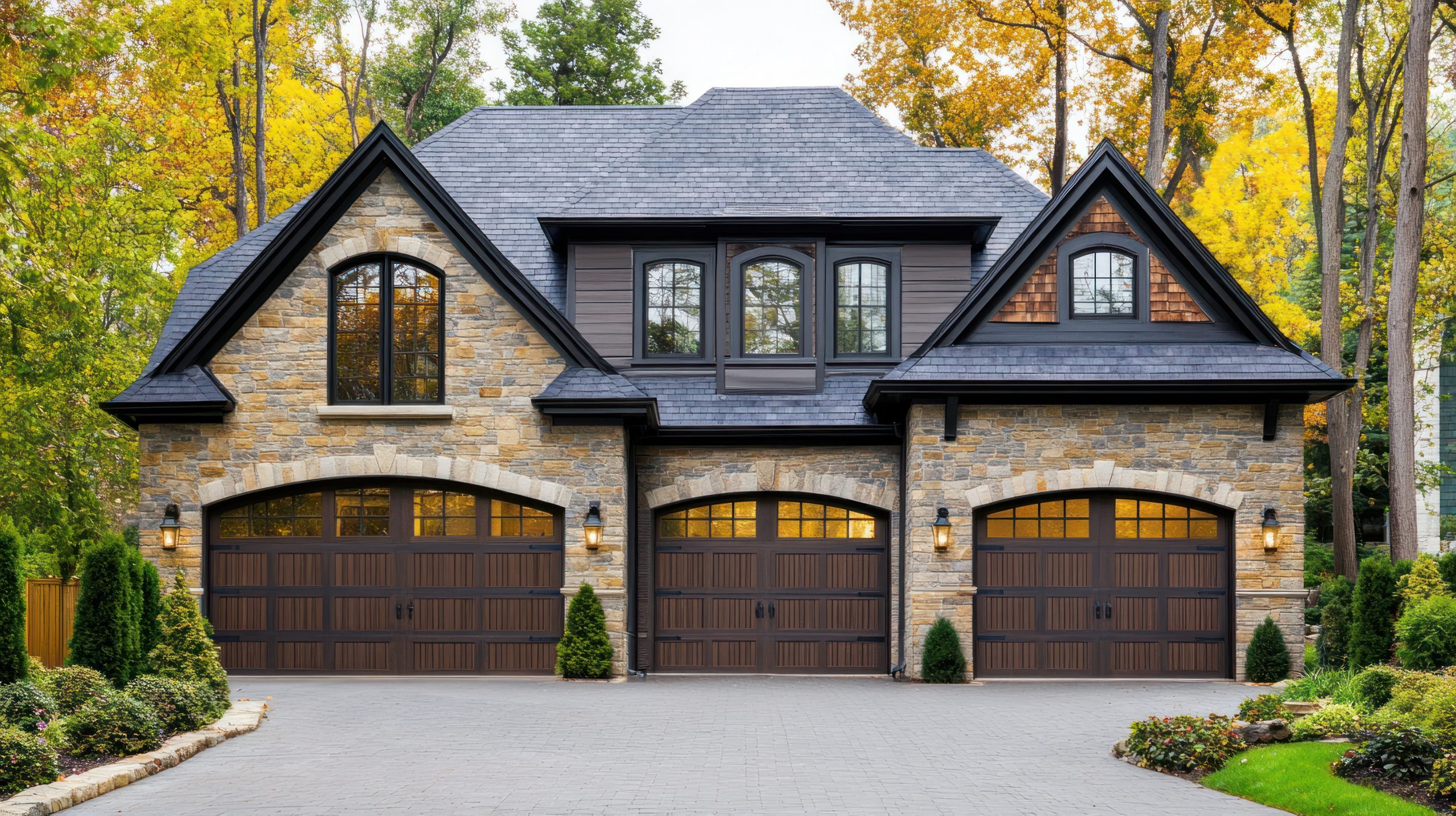
If you’re preparing for an exterior paint job, make sure to clear the surrounding area outside your home. Move outdoor furniture, planters, grills, and any other objects away from the walls. Also, consider trimming back any shrubs or trees that might be in the way, giving the painters easy access to all areas of your home’s exterior.
Clean the Surfaces to Be Painted
For paint to properly adhere to surfaces, they must be clean and free of dirt, dust, grease, or mildew. Depending on whether you’re having your interior or exterior painted, the cleaning process will vary slightly.
- Interior Cleaning: Dust and wipe down walls, baseboards, and trim to remove any dust or debris that could interfere with the paint’s finish. If the walls are especially dirty, consider using a mild soap solution to clean them thoroughly. Pay extra attention to high-traffic areas, like kitchens and bathrooms, where grime and grease can accumulate. After cleaning, allow the walls to dry completely before painting begins.
- Exterior Cleaning: For outdoor surfaces, use a pressure washer to remove dirt, mold, mildew, and loose paint. This is especially important for homes that haven’t been painted in several years. A clean surface ensures that the new paint will adhere better and last longer. Be sure to let the surface dry completely after pressure washing, as painting on wet surfaces can lead to poor results.
Repair Damaged Surfaces
Before any painting can begin, you’ll want to ensure that all surfaces are in good condition. Painters can apply paint over most surfaces, but painting over cracks, holes, or peeling paint will lead to an uneven finish and premature wear.
- Interior Repairs: Inspect your walls, ceilings, and trim for cracks, nail holes, or peeling paint. Use spackle or putty to fill in any holes or imperfections, and sand the area smooth once it’s dry. If there is peeling paint, scrape it off to create a smooth surface. Sanding is also important to ensure the paint adheres well, especially on glossy or previously painted surfaces.
- Exterior Repairs: For exterior surfaces, inspect your siding, windows, and doors for damage. Repair any cracks in stucco or replace damaged wood before painting. If the exterior paint is peeling, the painters may need to sand or scrape off the old paint to ensure proper adhesion. Rotting or damaged siding should be replaced or repaired before the project begins, as painting over these areas won’t fix the underlying issues.
Protect Your Floors, Fixtures, and Valuables
Even with professional painters, there’s always the possibility of paint drips or splatters. Taking extra steps to protect your floors, fixtures, and valuable belongings will help minimize any potential damage.
- Interior Protection: Lay down drop cloths or plastic sheets over your floors to protect them from paint spills. Remove or cover any light fixtures, outlets, and switch plates to prevent paint from getting on them. Painters will often do this, but it’s a good idea to double-check that all sensitive areas are covered. Remove wall decorations like picture frames or mirrors, as they can get in the way and risk being damaged or splattered with paint.
- Exterior Protection: For exterior painting, cover outdoor light fixtures, door handles, and windows with plastic or painter’s tape to protect them from paint splatter. If you have nearby plants or flowers, cover them with a tarp to prevent damage during the painting process.
Choose the Right Paint Colors and Finishes
Before the painting crew arrives, make sure you’ve finalized your paint color choices and finishes. While this might seem obvious, last-minute changes can cause delays and add unnecessary stress to the project. If you’re unsure about the colors, ask for samples and test them on small areas of your walls to see how they look in different lighting throughout the day.
It’s also important to choose the right finish for each surface. For example, semi-gloss or gloss finishes are ideal for trim and doors, as they’re easy to clean and resistant to wear. Flat or matte finishes work well for ceilings and low-traffic areas, while satin or eggshell finishes are commonly used for walls in living rooms, bedrooms, and hallways. Discuss these options with your painters to ensure you’re making the best decision for your space.
Communicate with Your Painters
Clear communication with your painting contractor is key to ensuring a smooth project. Before the work begins, go over any specific concerns you have, such as areas that need extra attention or particular repairs you want done. This is also the time to ask any questions about the timeline, expected start and finish dates, and whether additional coats of paint will be needed.
It’s also a good idea to establish ground rules for the project. For example, let the painters know if there are specific areas of your home that are off-limits or if there are any pets or children in the house who may need special consideration during the project. Understanding each other’s expectations will help the project run more efficiently and with fewer surprises.
Plan for the Disruption
A painting project can disrupt your daily routine, so it’s important to plan ahead. For interior jobs, consider staying out of the home or limiting access to the rooms being painted, as paint fumes can be strong and unpleasant. If you’re having several rooms painted, you may want to relocate to another part of the house until the project is complete.
For exterior painting projects, make sure you prepare for any potential disruptions to your outdoor space. Let neighbors know about the project in case it affects shared spaces, and keep in mind that workers will need access to water and electricity during the job. If you have pets, make sure they’re kept away from the work area to avoid accidents or exposure to harmful chemicals.
Prepare for the Weather (For Exterior Jobs)
When it comes to exterior painting, weather conditions play a crucial role in the success of the project. Rain, humidity, and extreme temperatures can interfere with the drying and curing process of the paint. Check the weather forecast before the painting project begins and make sure to discuss any weather concerns with your contractor. A professional painting company will typically schedule the job during optimal weather conditions, but it’s always good to be prepared for potential delays if the weather takes a turn for the worse.
Conclusion
Proper preparation is key to ensuring a successful, professional painting project. By clearing the area, cleaning surfaces, protecting valuables, and making necessary repairs, you’re setting the stage for a smooth, efficient painting process. This careful preparation is especially useful when repainting villa properties where multiple outdoor areas and trim levels require setup coordination. Taking the time to communicate with your painters and plan for any disruptions will help ensure the project meets your expectations and results in a beautiful, long-lasting finish.
Whether you’re repainting the interior or exterior of your home, following these preparation steps will help the painters deliver the best results, protecting your home and enhancing its appearance for years to come. Contact us today to get a quote!